What Is a Thyroid Nodule?
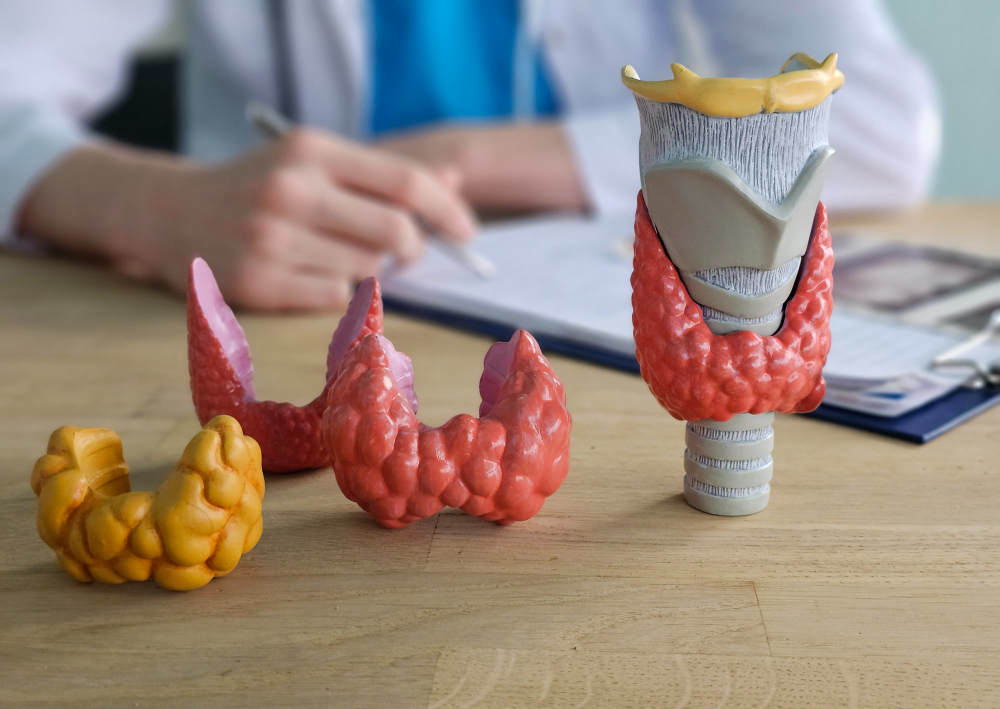
A thyroid nodule is a small lump or growth in the thyroid gland. The thyroid sits at the front of your neck. Most nodules are not harmful. However, some can raise concern for thyroid nodule cancer risk. Because of this, doctors often check these lumps carefully. Many people have thyroid nodules and do not even know it. In fact, most nodules are found during routine checkups or imaging tests done for other reasons.
Common Symptoms of Thyroid Nodules
Often, thyroid nodules do not cause any symptoms. Still, some people may notice changes. For example, you might feel or see a lump in your neck. Other possible signs of thyroid cancer or a nodule include:
Sometimes, nodules can make too much thyroid hormone. This may cause symptoms like weight loss, fast heartbeat, or feeling nervous. However, these symptoms are less common.
Causes and Risk Factors for Thyroid Nodules
There are several reasons why thyroid nodules form. In many cases, the cause is not clear. Yet, some factors can increase your risk. For instance, age and gender play a role. Women and older adults are more likely to develop nodules. Other risk factors include:
Although most nodules are benign, a small number may be cancerous. According to the American Cancer Society, about 5% of thyroid nodules are cancerous.
How Are Thyroid Nodules Diagnosed?
Doctors use several steps to diagnose thyroid nodules. First, they will ask about your symptoms and medical history. Next, they will examine your neck for lumps or swelling. Often, a thyroid ultrasound for cancer risk is the next step. This test uses sound waves to create images of your thyroid. It helps doctors see the size and features of the nodule.
Sometimes, blood tests check how your thyroid works. In some cases, a biopsy may be needed. This involves taking a small sample of the nodule with a thin needle. The sample is then checked for cancer cells.
When Should a Thyroid Nodule Be Evaluated for Cancer Risk?
Not all thyroid nodules need further testing. However, some signs mean a nodule should be checked for cancer risk. For example, you should seek thyroid nodule evaluation if you notice:
In addition, if you live in an area with high thyroid cancer rates, such as certain regions, your doctor may suggest earlier testing. Thyroid nodule evaluation in your city or region can help catch problems early.
Diagnostic Tests for Assessing Cancer Risk
Doctors use several tests to check if a thyroid nodule might be cancerous. First, a thyroid ultrasound helps spot features linked to higher cancer risk. These may include irregular edges, tiny calcium spots, or increased blood flow in the nodule. Next, a fine needle aspiration (FNA) biopsy may be done. This test removes a small sample of cells for review under a microscope.
Sometimes, doctors use other imaging tests, such as a CT scan or MRI, if more detail is needed. Blood tests can also show if your thyroid is working normally. Together, these tests help guide the next steps in care.
Treatment Options if Cancer Is Suspected
If tests suggest a high thyroid nodule cancer risk, your doctor will discuss treatment options. Surgery is the most common treatment for thyroid cancer. Usually, the surgeon removes part or all of the thyroid gland. After surgery, some people may need radioactive iodine treatment. This helps destroy any remaining cancer cells.
In some cases, other treatments like hormone therapy or targeted drugs may be used. Your care team will choose the best plan based on your needs. Early treatment often leads to better outcomes.
Lifestyle Guidance and Monitoring
Even if your thyroid nodule is not cancerous, regular checkups are important. Your doctor may suggest follow-up thyroid ultrasounds to watch for changes. Eating a healthy diet and staying active can support your thyroid health. If you have a family history of thyroid problems, let your doctor know. This helps guide your care plan.
Additionally, avoid unnecessary exposure to radiation, especially in children. If you take medications that affect your thyroid, follow your doctor’s advice closely.
Prevention and Early Detection Tips
While you cannot prevent all thyroid nodules, some steps may lower your risk. For example, eating enough iodine in your diet supports thyroid health. Most people get enough iodine from iodized salt and foods like dairy and fish. Also, avoid unnecessary medical radiation when possible.
Early detection of thyroid nodules and signs of thyroid cancer can help ensure the best care. If you have concerns, talk to your healthcare provider about thyroid nodule evaluation in your area.