What is Breast Cancer?
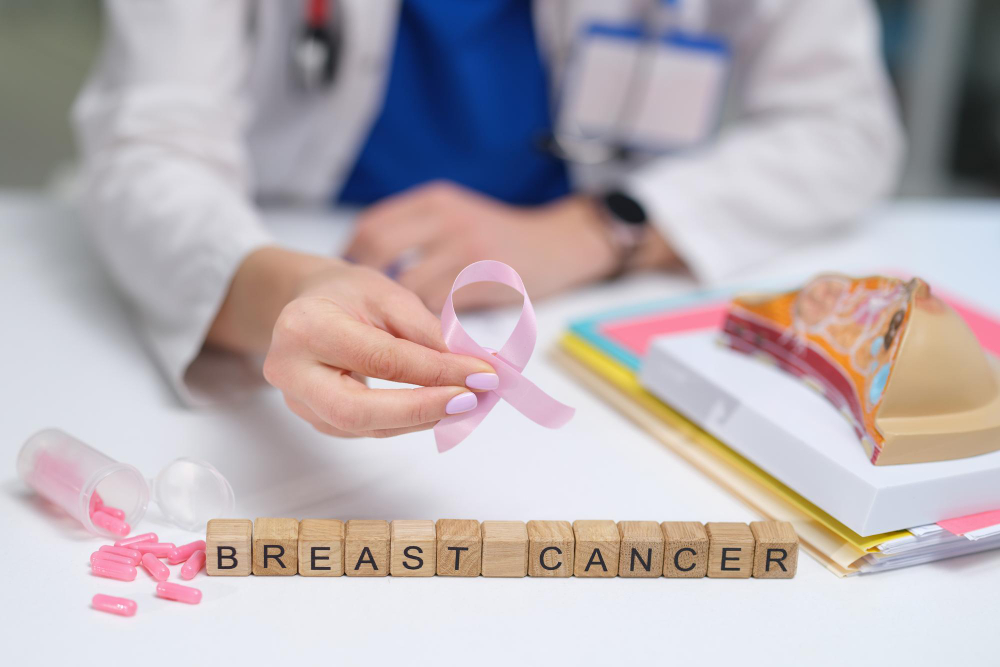
Breast cancer is a disease where cells in the breast grow out of control. These cells can form a lump or mass. Sometimes, they spread to other parts of the body. According to the World Health Organization, breast cancer is the most common cancer in women worldwide. However, men can get breast cancer too, though it is rare. Knowing what breast cancer is can help you understand why breast cancer awareness is so important.
Why Breast Cancer Awareness Matters
Many people do not notice early signs of breast cancer. For this reason, breast cancer awareness helps people learn what to watch for. Early detection can lead to better treatment and outcomes. In fact, the Centers for Disease Control and Prevention (CDC) says finding breast cancer early can save lives. When people know the risk factors and symptoms, they can seek help sooner. This is why spreading awareness in every community is vital.
Early Signs and Symptoms of Breast Cancer
It is important to know the early signs of breast cancer. Although symptoms may vary, you should watch for changes in your breasts. For example, some people may notice a lump, while others see changes in the skin. Below are common early signs:
Not all lumps are cancer. Still, you should talk to a doctor if you notice any of these signs. Early signs of breast cancer can be subtle, so regular checks are helpful.
Common Risk Factors for Breast Cancer
While anyone can get breast cancer, some things raise your risk. Knowing breast cancer risk factors can help you stay alert. Some risk factors you cannot change, but others you can control. Here are common risk factors:
Even if you have risk factors, it does not mean you will get breast cancer. However, knowing them can help you and your doctor make healthy choices.
How to Monitor Your Breast Health
Because early detection is key, you should check your breasts regularly. Many experts suggest doing a self-exam once a month. Here is how you can monitor your breast health:
In addition, regular doctor visits and mammograms are important. The CDC recommends women aged 50 to 74 get a mammogram every two years. However, your doctor may suggest a different schedule based on your risk.
Prevention and Lifestyle Tips
Although you cannot change some risk factors, you can take steps to lower your risk. For example, healthy habits can make a difference. Here are some tips to help prevent breast cancer:
Even small changes can help protect your breast health. Because knowledge is power, staying informed and making healthy choices can help you lower your risk, book an appointment with Dr. Gangadhar Vajrala .