
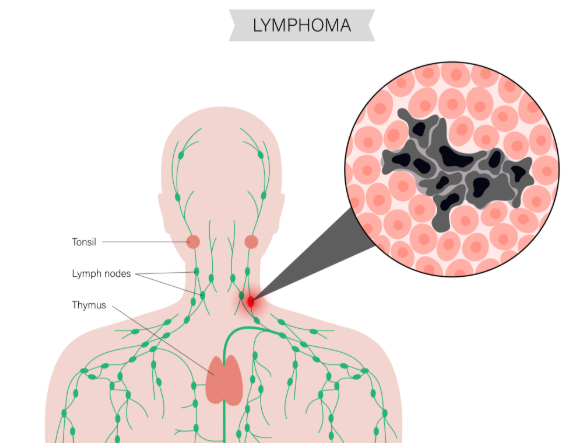
What is Lymphoma?
Lymphoma is a type of cancer that starts in the lymphatic system. This system helps fight infections and keeps fluids balanced in the body. Most people know that swollen lymph nodes can be a sign of lymphoma. However, it is important to learn about lymphoma signs beyond swollen lymph nodes. Early detection can help improve outcomes and raise lymphoma awareness.
There are two main types of lymphoma: Hodgkin lymphoma and non-Hodgkin lymphoma. Both types affect white blood cells called lymphocytes. These cells help protect the body from germs. Lymphoma can start almost anywhere in the body, not just in the neck or armpits.
Common and Lesser-Known Symptoms of Lymphoma
Many people think of swollen lymph nodes as the main sign of lymphoma. But, there are other symptoms that may appear first or alongside swelling. Recognizing these early symptoms is important for timely diagnosis and treatment. Here are some common and lesser-known symptoms to watch for:
Because these symptoms can be caused by many other conditions, it is important to stay aware. For example, fatigue and weight loss can also happen with infections or other illnesses. Still, if these symptoms last or worsen, see a healthcare provider for early detection.
Causes and Risk Factors
Doctors do not know the exact cause of most lymphomas. However, some risk factors can increase your chance of developing this cancer. Knowing these can help with lymphoma awareness and prevention.
Even though these factors can increase risk, many people with lymphoma have no known risk factors. Therefore, it is important to watch for lymphoma signs beyond swollen lymph nodes.
How Lymphoma is Diagnosed
Doctors use several steps to diagnose lymphoma. First, they ask about your symptoms and medical history. Next, they perform a physical exam to check for swollen lymph nodes and other signs.
After that, doctors may order tests, such as:
Sometimes, more tests are needed to find out the type and stage of lymphoma. Early detection is key, so do not ignore symptoms that last or get worse.
When to See a Doctor
It is normal to feel worried if you notice changes in your body. However, many symptoms of lymphoma are also caused by other, less serious problems. Still, you should see a doctor if you have:
Early diagnosis can help improve treatment options and outcomes. According to the World Health Organization and the CDC, seeing a healthcare provider for lasting symptoms is always a good idea.
Prevention and Lifestyle Tips
There is no sure way to prevent lymphoma. However, some healthy habits may lower your risk. For example, you can:
While these steps cannot guarantee prevention, they can help support your overall health. Staying aware of lymphoma signs beyond swollen lymph nodes is also important for early detection and better outcomes.
Better health begins with the right guidance. Consult Dr Gangadhar Vajrala for expert care.