What Is Pancreatic Cancer?
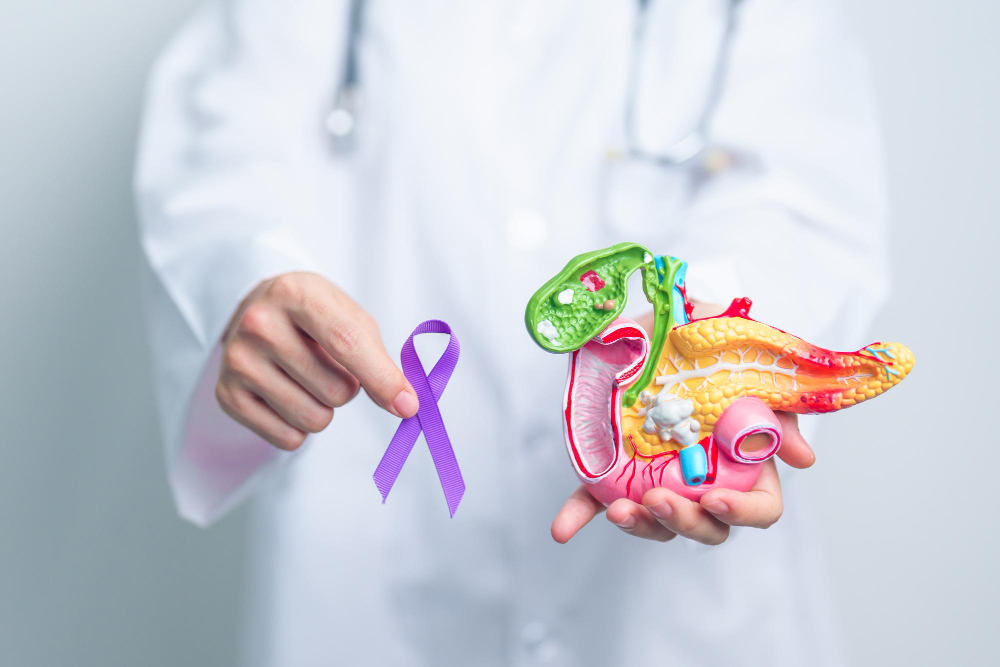
Pancreatic cancer is a disease that starts in the pancreas. The pancreas is a small organ behind your stomach. It helps your body digest food and control blood sugar. When cancer cells grow in the pancreas, they can spread quickly. Because of this, early detection is very important. According to the World Health Organization (WHO), pancreatic cancer is one of the leading causes of cancer deaths worldwide. However, knowing the signs can help you get care sooner.
Early Symptoms of Pancreatic Cancer
At first, pancreatic cancer may not cause clear symptoms. Still, some early warning signs can appear. For example, you might notice changes in your body that seem minor. Yet, these symptoms should not be ignored. Early symptoms can include:
Sometimes, these symptoms may be caused by other health problems. However, if you notice any of them, it is wise to talk to a doctor. The Centers for Disease Control and Prevention (CDC) notes that early symptoms are often missed, so staying alert is key.
Why Early Detection Matters
Early detection of pancreatic cancer can make a big difference. When doctors find the cancer early, treatment is more likely to work. In fact, the American Cancer Society reports that survival rates are higher when the cancer is caught before it spreads. Because the pancreas is deep inside the body, symptoms often appear late. Still, paying attention to early signs can help you get a timely evaluation. For people living in cities with easy access to medical care, early testing is even more important.
How Pancreatic Cancer Is Diagnosed
Doctors use several tests to diagnose pancreatic cancer. First, they may ask about your symptoms and medical history. Next, they might order blood tests to check for certain markers. In addition, imaging tests can help find tumors in the pancreas. These tests include:
Sometimes, doctors also take a small sample of tissue (biopsy) to confirm the diagnosis. Early and accurate testing helps guide the best treatment plan. For those in rural areas, it may take longer to get these tests, so acting quickly is important.
Risk Factors and Causes
Several things can raise your risk of getting pancreatic cancer. While some risk factors cannot be changed, others can. Common risk factors include:
Although not everyone with these risk factors will get pancreatic cancer, knowing them can help you and your doctor watch for early symptoms. The CDC and peer-reviewed journals agree that quitting smoking and managing weight can lower your risk.
When to Seek Medical Advice
If you notice any early symptoms of pancreatic cancer, you should see a doctor soon. Even if the symptoms seem mild, it is better to be safe. For example, if you develop jaundice or sudden weight loss, do not wait. Additionally, people with a family history of pancreatic cancer should talk to their doctor about regular check-ups. In many cities, clinics offer screening programs for those at higher risk. Early medical advice can lead to faster diagnosis and better care.
Preventive Steps and Lifestyle Tips
While you cannot prevent all cases of pancreatic cancer, some steps may lower your risk. For instance, making healthy choices every day can help protect your pancreas. Here are some tips:
In addition, regular check-ups can help spot problems early. The WHO and CDC both recommend healthy habits to lower your risk of many cancers, including pancreatic cancer. If you live in an area with high rates of smoking or obesity, these steps are even more important for your health.
Conclusion
If you have early symptoms or concerns about pancreatic cancer, Dr. Gangadhar Vajrala is here to help. Book a consultation today for expert advice and timely care.