





Understanding the Different Types of Cancer
Cancer can develop in almost any part of the body, with each type having distinct characteristics and treatment considerations. Explore the different conditions below to learn more about their nature and available approaches to cancer care.

Brain & Central Nervous System Tumours
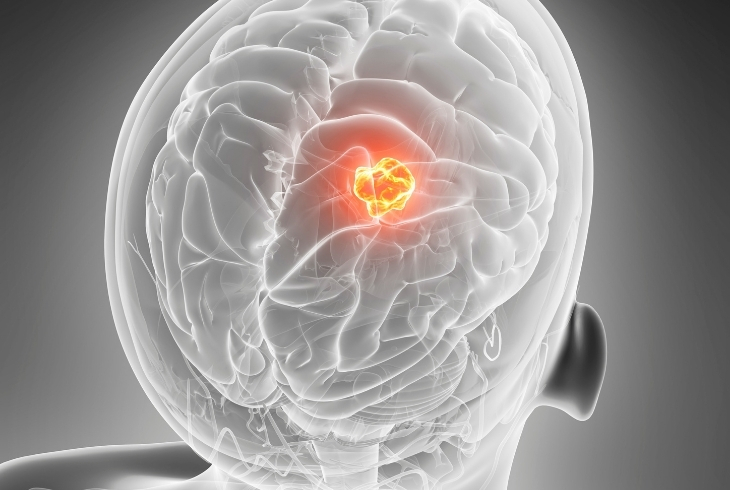
Brain and central nervous system tumours develop in the brain, spinal cord, or surrounding neurological structures. They may be benign or malignant and require careful evaluation based on their location, size, type, and effect on neurological function.
- Glioma and Glioblastoma
- Medulloblastoma
- Meningioma
- Pituitary Adenoma
- Schwannoma
Head & Neck Cancers
Head and neck cancers can affect areas such as the mouth, throat, voice box, nasal cavity, and surrounding structures. Treatment planning considers the exact location and extent of the cancer, while aiming to preserve important functions such as speaking, swallowing, and breathing.
- Oral Cavity Cancer
- Oropharyngeal Cancer
- Laryngeal Cancer
- Nasopharyngeal Cancer
- Hypopharyngeal Cancer
Breast Cancer
Breast cancer develops when cells in breast tissue grow abnormally. It can vary according to its type, stage, and biological characteristics. Treatment may involve surgery, systemic therapies, radiation therapy, or a combination of approaches based on individual clinical needs.
- Early-Stage Breast Cancer
- Locally Advanced Breast Cancer
- Breast-Conserving Treatment
- Post-Mastectomy Radiotherapy
- Hypofractionated Radiotherapy
Lung Cancer
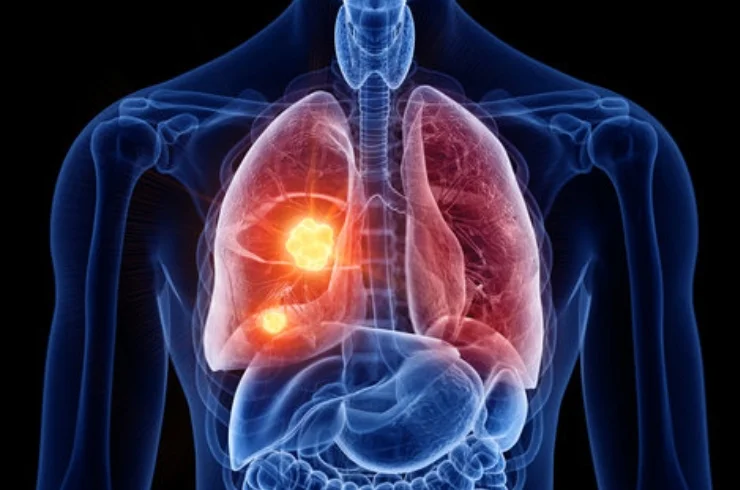
Lung cancer begins in the tissues of the lungs and is broadly classified into different types, including non-small cell and small cell lung cancer. Treatment decisions depend on the cancer's type, stage, location, overall health, and individual treatment goals.
- Non-Small Cell Lung Cancer
- Small Cell Lung Cancer
- Early-Stage Lung Cancer
- Stereotactic Body Radiotherapy
- Respiratory-Gated Radiotherapy
Gastrointestinal Cancers
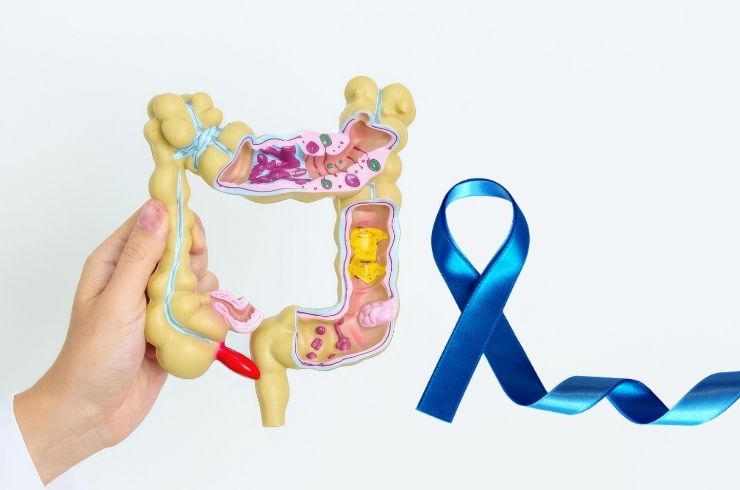
Gastrointestinal cancers affect the digestive system, including organs responsible for digestion and nutrient absorption. Their treatment depends on the organ involved, disease stage, and whether the cancer has spread to nearby tissues or other parts of the body.
- Oesophageal Cancer
- Stomach Cancer
- Colorectal Cancer
- Pancreatic Cancer
- Rectal Cancer
Prostate Cancer
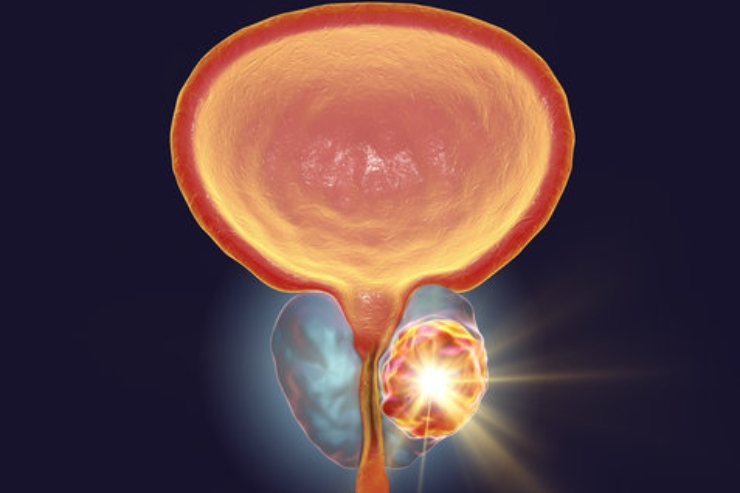
Prostate cancer develops in the prostate gland, which is part of the male reproductive system. It can vary from slow-growing disease to more aggressive forms. Evaluation considers PSA levels, biopsy findings, imaging, cancer stage, and overall health.
- Localized Prostate Cancer
- Locally Advanced Prostate Cancer
- Image-Guided Radiotherapy
- Stereotactic Body Radiotherapy
- Personalized Radiation Planning
Gynaecological Cancers
Gynaecological cancers develop in the female reproductive organs. Each type has different risk factors, symptoms, and treatment requirements. Early evaluation and an individualized treatment approach are important in managing these conditions.
- Cervical Cancer
- Uterine Cancer
- Endometrial Cancer
- Ovarian Cancer
- Vaginal Cancer
Haematological Malignancies
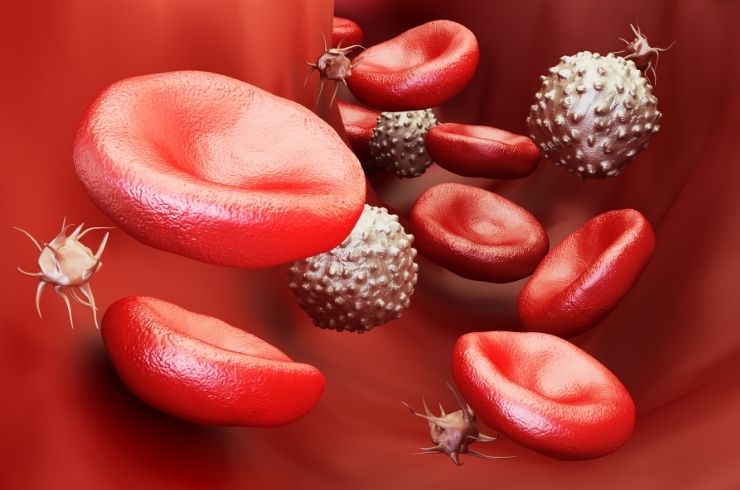
Haematological malignancies are cancers that affect blood cells, bone marrow, and the lymphatic system. Depending on the specific diagnosis, treatment may involve chemotherapy, targeted therapies, immunotherapy, radiation therapy, or combined treatment approaches.
- Hodgkin Lymphoma
- Non-Hodgkin Lymphoma
- Selected Leukaemias
- Multiple Myeloma
- Other Selected Blood Cancers
Paediatric Cancers
Paediatric cancers affect infants, children, and adolescents. These conditions differ from many adult cancers and require specialized evaluation and age-appropriate treatment planning. Careful consideration is given to treatment effectiveness and the protection of developing healthy tissues.
- Leukaemia
- Brain and CNS Tumours
- Neuroblastoma
- Wilms Tumour
- Bone and Soft Tissue Tumours
Looking for Clarity About Your Cancer Care Journey?
Every diagnosis deserves careful attention and an informed approach. Connect with us to learn more about consultations, cancer treatment options, and personalized oncology care.